If you’re seeking the best Australian sand for bearded dragons, focus on desert-grade substrates that mimic their natural habitat, support thermoregulation, and reduce dust. The top picks below are suited for different ages, enclosure setups, and activity levels. This guide highlights who each product is best for, plus practical cautions to minimize risks such as impaction.
| Product | Best For | Why It Stands Out |
|---|---|---|
| Jurassic Natural Australian Desert Dragon Habitat Substrate (Red, 10 lb) | New or small-bearded dragons | Ethically sourced from Central Australia; closely matches wild environment. |
| Jurassic Natural Australian Desert Dragon Habitat Substrate (Red, 20 lb) | Medium to large enclosures | Larger bag for bigger tanks; same natural appeal. |
| BNOSDM Reptile Sand Bearded Dragons Substrate Sands (Yellow, 2.2 lb) | Budget setups; mixed-use terrariums | Natural material with good heat conductivity and desert look. |
| The Bio Dude Terra Sahara Substrate (6 quarts) | Plants and bioactive setups | Bio-balanced mix supports a balanced ecosystem and low humidity. |
| Tfwadmx Reptile Carpet Sand Mat (2 pack) | Temporary or easy-clean substrates | Carpet mats with two textures; easier cleanup and replaceability. |
Below are the five products chosen for strong alignment with the keyword “Australian sand for bearded dragon,” along with practical considerations to help you pick the right option for your reptile’s enclosure and health needs.
Jurassic Natural Red Desert Substrate 10 lb

This substrate mirrors Central Australian desert conditions, making it a strong choice for younger bearded dragons establishing a burrow-based routine. It’s described as ethically sourced and tied to the dragon’s natural environment in the wild. Best for: beginners or smaller terrariums seeking a true desert feel. Caution: handle dust with care and monitor any potential irritation during setup.
Jurassic Natural Red Desert Substrate 20 lb

Designed for larger enclosures, this 20-pound bag offers the same desert-ecosystem benefits with a longer-lasting supply. Best for: medium-to-large setups or homes with multiple reptiles. Better for: extended use between substrate changes. Caution: ensure even distribution to prevent hot spots and monitor humidity to maintain a dry, desert-like substrate.
BNOSDM Reptile Sands Desert Blend (Yellow, 2.2 lb)

Natural material with calcium enrichment supports a safe, desert-accurate habitat and good heat conduction for quicker thermal balance. Best for: mixed-use terrariums where a natural desert appearance is desired. Better for: beginners on a budget seeking safe, natural-looking substrate. Caution: fine sands can be an impaction risk if ingested; supervise feeding and consider a separate feeding dish to minimize ingestion.
The Bio Dude Terra Sahara Substrate (6 Quarts)
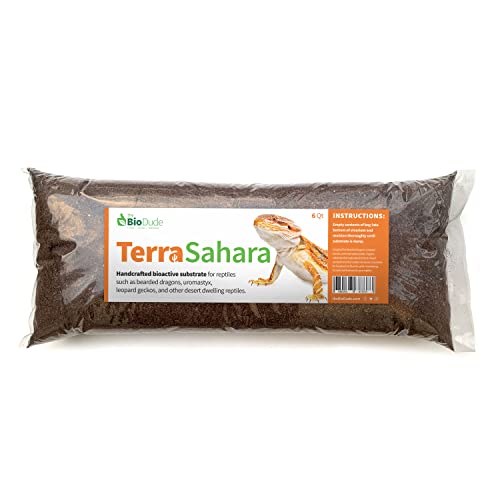
This bioactive substrate supports a multifaceted habitat that can accommodate desert plants and a low-humidity setup. Best for: enclosures that aim to balance natural plant life with reptile stability. Choose this if you want a substrate mix that helps sustain a desert ecosystem over time. Caution: not ideal for very young hatchlings if a high risk of substrate ingestion is present; observe feeding practices and animal behavior closely.
Tfwadmx Reptile Carpet Sand Mat (2 Pack)

These mats provide a safe, reusable alternative to loose sand and are designed to minimize injury risk to paws and nails. Best for: temporary setups, quarantine habitats, or anyone seeking easy maintenance. Better for: quick cleaning and replacement. Caution: not a direct sand substitute for an authentic desert burrow appearance; limited digging behavior compared to loose sand substrates.
Buying Guide: Substrate Selection For Bearded Dragons In Australia-Style Enclosures
What should be considered when choosing Australian sand for bearded dragons?
- Age and size of the dragon: Younger lizards are more prone to substrate ingestion. For hatchlings, prefer fine-textured, less clingy substrates or controlled mixes to minimize impaction risk.
- Enclosure size and heating: Larger enclosures benefit from desert sands that retain heat well and provide natural basking opportunities without creating moisture pockets.
- Maintenance and cleaning: Substrates vary in ease of cleaning. Carpet mats and easy-sweep sands reduce maintenance time; loose sands demand more thorough cleaning and periodic replacements.
- Plant compatibility: If you plan to grow desert plants, choose a substrate like Terra Sahara that supports a balanced ecosystem and stable humidity.
- Health and safety: Look for substrates that are dust-minimized and non-toxic. If your dragon has respiratory sensitivity, avoid very dusty or sharp sands.
Best practices for use
- Layering: Use a shallow first layer to aid drainage, then add a deeper top layer for burrowing in the right product selections.
- Feeding: Create a feeding zone with a separate surface or dish to minimize substrate ingestion during meals.
- Humidity control: Desert sands typically support lower humidity; monitor enclosure humidity to prevent mold or respiratory issues.
When to choose a substrate with bioactive potential
If your enclosure supports live plants and a richer biome, Terra Sahara’s bioactive mix can help sustain beneficial microbes and reduce odor, while still supporting the needs of a bearded dragon.
Maintenance and replacement considerations
Carpet mats offer easy cleaning and quick replacement, ideal for busy schedules. Loose sands require regular spot cleaning and occasional full substrate refresh to maintain a safe environment.
Safety and risk management
Impaction remains a key concern with loose desert sand. Always supervise feeding, provide enrichment to reduce boredom, and select a substrate with particle size appropriate to your dragon’s mouth and swallowing capabilities.
FAQ: Substrate Questions For Bearded Dragons
- Is Australian desert sand safe for bearded dragons? It can be when the sand is specifically designed for reptiles, has appropriate particle size, and is used with supervision to reduce ingestion risk.
- What substrate is best for burrowing behavior? Fine desert sands or desert blend substrates encourage digging; avoid rough or sharp particles that can injure the reptile.
- Can I use carpet mats instead of sand? Yes, carpet mats provide safer, easy-clean surfaces but may not support natural digging behaviors as effectively as sand.
- How do I prevent impaction? Use a substrate appropriate for age, supervise feeding, offer a shallow water dish, and avoid loose, highly ingestible sand for hatchlings.
- Should I mix substrates? Mixing can be done carefully to balance texture and humidity, but abrupt changes can stress the animal. Transition gradually.
- How often should I replace the substrate? It depends on the substrate type; loose sands may require more frequent spot cleaning and periodic refresh, while carpet mats are reusable with regular cleaning.