In this guide
If you’re looking for floating duck food pellets that stay on the water, deliver balanced nutrition, and minimize pond waste, these five options are well-suited for both wild and pet waterfowl. This guide highlights who each product is best for, plus practical considerations to help you choose. Use the quick reference table below to compare at a glance.
| Product | Best For |
|---|---|
| Natural Waterscapes Waterfowl Feed 20 lb Bag | Large ponds; multiple birds; balanced fishmeal-protein blend |
| Natural Waterscapes Waterfowl Feed (5 lb) | Small flocks; pets and backyard ponds |
| Manna Pro Duck Layer Pellet | Egg production; balanced nutrition for laying ducks |
| Hapetrails Duck Feeder Floating Pellets | Replaces bread; promotes natural feeding; USA-made |
| Country Heritage Floating Waterfowl Feed | Wild & pet birds; pond-friendly formula |
Natural Waterscapes Waterfowl Feed 20 lb Bag

Product type: Floating pellets designed for water birds such as ducks, swans, and geese. The pellets float for over an hour, helping birds feed naturally on the surface. This is a premium diet that includes fishmeal and a balanced mix of fiber and protein to reduce water waste. Best for larger ponds with multiple waterfowl or mixed-species habitats.
Who it’s best for: Owners of larger or shared ponds who want a single, consistent feed with strong water quality outcomes. Why selected: The longer floating time and nutrient balance support sustained feeding without excessive pellet loss.
Caution: Some birds may prefer greener or different textures; monitor for any unusual feeding behavior after transitioning to this diet.
Natural Waterscapes Waterfowl Feed (5 lb)

Product type: Floating duck pellets formulated for waterfowl, including ducks, swans, and geese. Pellets float for over an hour, supporting surface-feeding behavior and reducing water waste. A premium diet designed to minimize mess while promoting healthy plumage and growth.
Who it’s best for: Small-to-medium flocks or households with pond ducks. Why selected: The compact 5 lb size makes it easy to manage, store, and test with a single group of birds.
Caution: Occasional dust or breakage can occur in packaging; replace promptly if pellets crumble to avoid muddy water.
Manna Pro Duck Layer Pellet
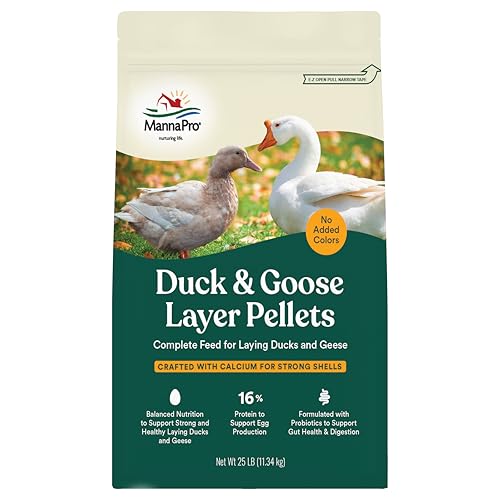
Product type: High-protein floating pellets designed to support increased egg production in laying ducks. Formulated with probiotics to promote healthy digestion and overall performance. This is a longer-term laying diet rather than a general maintenance feed.
Who it’s best for: Ducks focused on egg production, especially in breeding or showcasing settings. Why selected: The high protein and probiotic blend targets laying performance and digestive health.
Caution: Not ideal as a sole maintenance feed for non-egg-laying ducks; balance with other feeding options to avoid excess protein intake.
Hapetrails Duck Feeder Floating Pellets

Product type: Floating duck food pellets that stay on the surface for hours, designed to replace bread. Includes niacin and other nutrients. Marketed as a USA-made alternative to bread feeding, with a focus on natural feeding behaviors and reduced water pollution.
Who it’s best for: Enthusiasts seeking a humane, pond-friendly alternative to bread for both wild and pet ducks. Why selected: Long-floating time supports natural feeding while mitigating waste, making it suitable for sensitive pond ecosystems.
Caution: Surface pellets may require periodical stirring in very windy conditions to prevent drift away from feeding zones.
Country Heritage Floating Waterfowl Feed

Product type: Floating waterfowl feed formulated for ducks, geese, and swans. The formula emphasizes nutrient balance with essential vitamins and minerals. The resealable 5 lb bag adds convenience for storage and freshness, suitable for year-round feeding.
Who it’s best for: Backyard ponds and nature areas where both wild and household waterfowl are supported. Why selected: Balanced nutrition supports health across a broader range of waterfowl species while staying afloat to minimize waste.
Caution: Check for local wildlife guidelines on feeding; excessive feeding can alter natural foraging behavior in some settings.
Buying Guide
What to consider when choosing floating duck pellets
- Floating duration: Longer float times reduce the need for refilling and help birds feed naturally without congested zones.
- Species compatibility: Look for formulas designed for ducks, geese, and swans if you keep multiple waterfowl types.
- Nutritional balance: Prioritize feeds with a good protein-to-fiber ratio and, if possible, probiotics for digestive health.
- Size and packaging: Choose sizes that fit your flock size and storage space to prevent waste and spoilage.
- Water quality impact: Pellets formulated to minimize waste help protect ponds from nutrient loading and algae growth.
What’s the best choice for different buyers?
- Best for large, shared ponds: Natural Waterscapes Waterfowl Feed 20 lb Bag, due to its extended float time and multi-bird nutrition.
- Best for small households: Natural Waterscapes Waterfowl Feed 5 lb and Country Heritage Floating Waterfowl Feed for easy storage and versatile use.
- Best for egg-producing ducks: Manna Pro Duck Layer Pellet provides higher protein and probiotics for digestion.
- Best for replacing bread: Hapetrails Duck Feeder Floating Pellets promote natural feeding and reduce pond waste.
Maintenance tips
- Introduce new pellets gradually to avoid digestive upsets in ducks.
- Monitor water clarity and pellet waste; adjust feeding frequency as needed.
- Store pellets in a cool, dry place to maintain freshness and prevent mold.
FAQ
- Q: Do floating pellets really reduce pond waste? A: Yes, many formulations are designed to minimize uneaten pellets and dissolve less quickly than bread or other soft feeds.
- Q: Can I feed a mix of different brands? A: Mixing is possible, but ensure the overall protein and nutrient intake stays appropriate for your birds.
- Q: Are these feeds safe for wild waterfowl? A: Most products are designed for both wild and pet waterfowl, but follow any local guidelines on feeding wildlife.
- Q: How long should pellets float? A: Most floating feeds stay afloat for at least an hour, with some lasting longer depending on formulation.
- Q: Is protein level important for adults? A: For non-breeding adults, moderate protein is sufficient; breeders benefit from higher protein levels to support egg production and growth.
- Q: Should I remove uneaten pellets? A: Yes, remove any uneaten pellets after feeding to reduce water contamination.